Alternativa a CAMS Biométrico con API Callback: Webhook en Tiempo Real para Control de Asistencia
PunchConnect reemplaza el polling de CAMS con una API callback (webhook) en la nube para dispositivos biométricos ZKTeco. Control remoto, sincronización en tiempo real y cumplimiento legal en México y Colombia.
¿Por qué buscar una alternativa a CAMS para control de asistencia biométrico?
Si usted desarrolla software de recursos humanos, nómina o ERP para el mercado latinoamericano, probablemente ya se encontró con un problema recurrente: integrar dispositivos biométricos de asistencia sin depender de middleware obsoleto. PunchConnect es un middleware API REST en la nube que conecta dispositivos biométricos ZKTeco a cualquier sistema de software, eliminando la necesidad de servidores locales, polling constante y configuraciones de red complejas.
CAMS Biometrics ofrece una solución de control de asistencia, pero su arquitectura basada en polling presenta limitaciones serias para desarrolladores que necesitan datos en tiempo real. En América Latina — donde ZKTeco domina el mercado de dispositivos biométricos — la falta de una API callback moderna se convierte en un obstáculo crítico para la integración con sistemas como Odoo, SAP o soluciones propias.
Este artículo compara ambas plataformas y explica por qué PunchConnect es la alternativa más adecuada para equipos de desarrollo en la región.
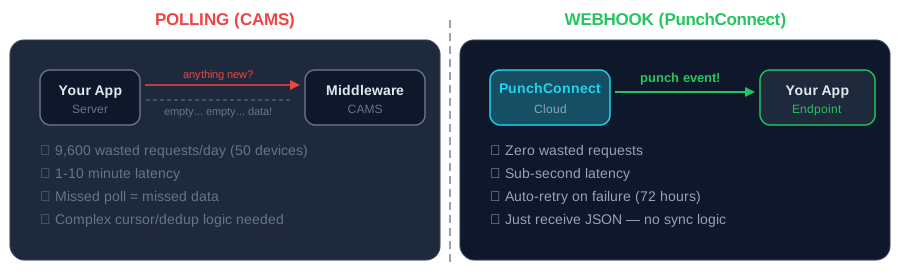
El problema del polling: por qué las APIs basadas en consultas fallan
La arquitectura tradicional de CAMS y soluciones similares funciona así: su servidor consulta repetidamente al dispositivo biométrico preguntando "¿hay datos nuevos?". Esto se conoce como polling, y genera varios problemas:
- Latencia innecesaria: entre cada consulta pueden pasar segundos o minutos sin detectar una marcación.
- Consumo de recursos: su servidor ejecuta solicitudes HTTP constantes, incluso cuando no hay datos nuevos.
- Dependencia de red local (LAN): el middleware necesita estar en la misma red que el dispositivo, lo cual es inviable para operaciones distribuidas.
- Escalabilidad limitada: con 10 dispositivos el polling es manejable; con 50 o 100 se vuelve un cuello de botella.
Para un desarrollador que integra asistencia biométrica en una aplicación de nómina o en un módulo de Odoo (documentación en español), esta arquitectura genera complejidad técnica sin valor agregado.
Lo que los desarrolladores realmente necesitan
Después de trabajar con equipos de desarrollo en México, Colombia y otros países de la región, identificamos tres requisitos esenciales:
1. API callback real (webhooks)
En lugar de consultar constantemente, PunchConnect envía los datos de marcación directamente a su endpoint mediante un webhook en el momento exacto en que ocurren. Su servidor recibe, no pregunta.
2. Control remoto de dispositivos sin LAN
Con PunchConnect usted puede reiniciar dispositivos, sincronizar usuarios, ajustar configuraciones y consultar registros desde cualquier lugar, a través de la API REST en la nube. No necesita VPN, IP pública ni acceso a la red local del dispositivo.
3. Sincronización en tiempo real
Cada marcación biométrica llega a su sistema en menos de 5 segundos. Sin retrasos, sin lotes, sin archivos CSV.
Asistencia biométrica en América Latina: legislación, mercado y desafíos de conectividad
Esta sección aborda aspectos que no existen en el contexto anglosajón y que son determinantes para cualquier implementación de control de asistencia biométrico en la región.
Marco legal: México y Colombia
En México, la Ley Federal del Trabajo establece en sus artículos 804 y 805 la obligación patronal de conservar registros de asistencia y jornada laboral. En caso de controversia ante una Junta de Conciliación y Arbitraje, la carga de la prueba recae en el empleador. Un sistema de asistencia biométrico con registros verificables y almacenados en la nube facilita el cumplimiento de esta obligación. Además, la Ley Federal de Protección de Datos Personales en Posesión de los Particulares (LFPDPPP) clasifica los datos biométricos como datos personales sensibles, lo que exige un aviso de privacidad específico y medidas de seguridad reforzadas para su tratamiento.
En Colombia, el Código Sustantivo del Trabajo exige registros confiables de jornada laboral. La Ley 1581 de 2012 (Protección de Datos Personales) y los lineamientos de la Superintendencia de Industria y Comercio (SIC) regulan el uso de biometría en el ámbito laboral. PunchConnect almacena únicamente identificadores numéricos de plantilla biométrica, no la huella dactilar en sí, lo cual simplifica el cumplimiento normativo.
ZKTeco en América Latina
ZKTeco es el fabricante de dispositivos biométricos con mayor presencia en México y Colombia. Modelos como el ZK-MB360, el SpeedFace V5L y los terminales de la serie UA son extremadamente comunes en oficinas, plantas industriales, centros de distribución y obras de construcción en toda la región. Sin embargo, CAMS tiene presencia mínima en América Latina y su documentación, soporte y comunidad se concentran en el mercado asiático. PunchConnect fue diseñado específicamente para trabajar con dispositivos ZKTeco y llena ese vacío de integración en el mercado latinoamericano.
Red de socios Odoo en la región
Odoo cuenta con una red de partners certificados muy activa en México y Colombia. Muchos de estos integradores necesitan conectar módulos de asistencia con dispositivos biométricos ya instalados. PunchConnect ofrece una API REST estándar que cualquier desarrollador de Odoo puede consumir sin dependencias adicionales. Consulte la documentación de Odoo en español para más detalles sobre los módulos de recursos humanos.
Desafíos de conectividad en zonas rurales y periurbanas
En América Latina, muchas operaciones de control de asistencia ocurren en ubicaciones con conectividad limitada: centros de distribución en zonas industriales periurbanas, sitios agrícolas, obras de construcción y maquiladoras en parques industriales alejados de centros urbanos. PunchConnect funciona con una conexión mínima a internet desde el dispositivo biométrico (incluso por red celular 3G/4G) y almacena registros en la nube, eliminando la necesidad de un servidor local que requiera mantenimiento presencial. Si la conexión se interrumpe temporalmente, el dispositivo almacena las marcaciones localmente y las sincroniza automáticamente al restablecerse la conexión.
Comparación técnica: PunchConnect vs. CAMS (middleware basado en polling)
| Característica | CAMS (polling) | PunchConnect (callback/webhook) |
|---|---|---|
| Arquitectura | Polling HTTP desde su servidor | Webhook push hacia su endpoint |
| Latencia | 30 s – 5 min (depende del intervalo) | < 5 segundos |
| Control remoto de dispositivos | Requiere LAN / VPN | API REST en la nube |
| Compatibilidad ZKTeco | Limitada | Amplia (series ZK, SpeedFace, UA) |
| Almacenamiento de registros | Local (su servidor) | Nube + respaldo local en dispositivo |
| SDK / Ejemplos de código | Documentación limitada | Python SDK, Node.js, cURL |
| Soporte LATAM | Mínimo | Documentación y soporte en español |
| Modelo de precios | Variable / licencia | $200 USD por dispositivo |
Ejemplo: recibir marcaciones con un webhook en Express.js
Con CAMS o middleware basado en polling, usted necesita un loop que consulte constantemente. Con PunchConnect, simplemente expone un endpoint:
const express = require("express");const app = express();app.use(express.json());app.post("/webhook/attendance", (req, res) => {const { device_id, user_id, timestamp, punch_type } = req.body;console.log(`Attendance event: user ${user_id} at device ${device_id}`);console.log(`Time: ${timestamp}, Type: ${punch_type}`);// Process the attendance record — save to database, sync with Odoo, etc.res.status(200).json({ received: true });});app.listen(3000, () => {console.log("Webhook listener running on port 3000");});
Ejemplo: consultar dispositivos con Python SDK
from punchconnect import PunchConnectClientclient = PunchConnectClient(api_key="your-api-key")# List all registered devicesdevices = client.devices.list()for device in devices:print(f"Device: {device.alias} | Status: {device.status}")# Get today's attendance records for a specific devicerecords = client.attendance.list(device_id="PC-0012", date="2026-03-17")for record in records:print(f"User {record.user_id} punched at {record.timestamp}")
Ejemplo: registrar un webhook con cURL
curl -X POST https://api.punchconnect.com/v1/webhooks \-H "Authorization: Bearer YOUR_API_KEY" \-H "Content-Type: application/json" \-d '{"url": "https://your-server.com/webhook/attendance","events": ["attendance.created"],"device_ids": ["PC-0012", "PC-0015"]}'
Precios
PunchConnect utiliza un modelo simple: $200 USD por dispositivo, pago único. Sin suscripciones mensuales, sin costos por marcación, sin límite de empleados.
Para empresas en México y Colombia, esto representa una inversión predecible que se puede presupuestar como gasto de implementación (CAPEX), a diferencia de modelos SaaS con costos recurrentes que complican la planificación financiera.
El precio incluye:
- Acceso completo a la API REST y webhooks
- Dashboard de administración
- Python SDK y ejemplos de integración
- Soporte técnico
Comience en 5 minutos
1. Cree su cuenta en PunchConnect y obtenga su API key.
2. Registre su dispositivo ZKTeco desde el dashboard o la API.
3. Configure su webhook apuntando a su servidor (como en los ejemplos anteriores).
4. Reciba marcaciones en tiempo real en su aplicación.
No necesita instalar software en un servidor local. No necesita configurar puertos, VPN ni reglas de firewall en la red del dispositivo.
Preguntas frecuentes
¿PunchConnect cumple con la LFPDPPP de México y la Ley 1581 de Colombia?
Sí. PunchConnect no almacena huellas dactilares ni datos biométricos crudos. El dispositivo ZKTeco almacena la plantilla biométrica localmente. PunchConnect transmite y almacena únicamente un identificador numérico de usuario, la marca de tiempo y el tipo de marcación. Esto facilita el cumplimiento de las leyes de protección de datos personales en ambos países, aunque cada empresa debe elaborar su propio aviso de privacidad conforme a la normativa aplicable.
¿Es compatible con los dispositivos ZKTeco que ya tengo instalados en mi empresa?
PunchConnect es compatible con la mayoría de dispositivos ZKTeco utilizados en América Latina, incluyendo las series ZK (ZK-MB360, ZK-F22), SpeedFace (V5L, V4L) y terminales de la serie UA. Si usted ya tiene dispositivos ZKTeco instalados — como es común en oficinas y plantas en México y Colombia — puede conectarlos a PunchConnect sin reemplazar hardware.
¿Cuánto cuesta en comparación con desarrollar middleware propio?
El costo de PunchConnect es de $200 USD por dispositivo (pago único). Desarrollar middleware propio para conectar dispositivos ZKTeco requiere típicamente entre 2 y 4 meses de trabajo de un desarrollador, más mantenimiento continuo. Para una empresa con 5 dispositivos, el costo total de PunchConnect ($1,000 USD) es significativamente menor que el salario de un mes de desarrollo.
¿Funciona en ubicaciones con conectividad limitada?
Sí. El dispositivo ZKTeco solo necesita una conexión a internet básica (incluso 3G) para comunicarse con PunchConnect en la nube. Si la conexión se pierde temporalmente, el dispositivo almacena las marcaciones y las sincroniza automáticamente al reconectarse. Esto es especialmente relevante para centros de distribución, sitios agrícolas y obras de construcción en zonas periurbanas de México, Colombia y otros países de la región.
¿Puedo integrar PunchConnect con Odoo?
Sí. PunchConnect expone una API REST estándar que se puede consumir desde cualquier módulo de Odoo (Community o Enterprise). Varios partners de Odoo en México y Colombia ya utilizan PunchConnect para conectar los módulos de Asistencia y Nómina con dispositivos ZKTeco. Consulte la documentación de Odoo en español para más detalles sobre la estructura de los módulos de HR.
Siguiente paso
Si usted desarrolla software de nómina, recursos humanos o ERP y necesita integrar dispositivos biométricos ZKTeco con una API moderna basada en webhooks, PunchConnect es la alternativa a CAMS diseñada para el mercado latinoamericano.
Crear cuenta en PunchConnect y conecte su primer dispositivo en menos de 5 minutos.